
The grocery landscape in 2026 is no longer shifting. It has transformed. As the transportation market sheds excess capacity and spot rates climb by double digits, the buffer that once absorbed sudden demand spikes has all but disappeared. For grocers looking to protect their margins and their reputations, the transition to a Dedicated Private Fleet isn’t just a logistics choice. It’s a competitive necessity.
Securing Capacity in a Tightening Market
Market data indicates that shippers are finally feeling the effects of years of carrier attrition and dwindling equipment orders. This market recalibration has prompted a fundamental shift in how logistics leaders think about their supply chains.
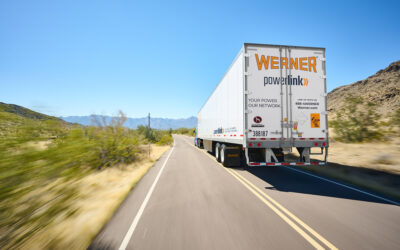
Werner’s Dedicated operations now make up more than 50% of total revenue. Through the integration of the FirstFleet acquisition, we offer a flight to quality that safeguards grocers against market volatility. By locking in capacity, grocers transform transportation from a volatile variable into a predictable line item. In 2026, stability is the most valuable asset a supply chain manager can possess.
Guaranteeing Compliance and Reliability
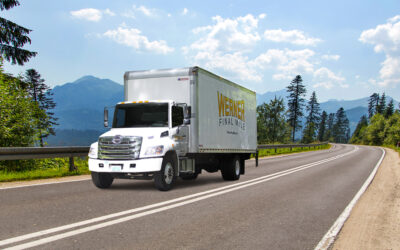
The challenge facing grocers today extends beyond simply finding available trucks. With aging assets being retired and new environmental mandates driving up costs, standard capacity has become both more expensive and less reliable. A dedicated fleet model ensures access to modern and fuel efficient equipment at a time when such assets are increasingly scarce.
Furthermore, capacity means nothing without compliance. The driver pool has thinned considerably under stricter regulations and enforcement. A dedicated fleet provides a compliance buffer. It ensures that critical food shipments are not left stranded when a carrier fails a snap audit or loses drivers to new regulatory hurdles.
Drivers as Brand Ambassadors
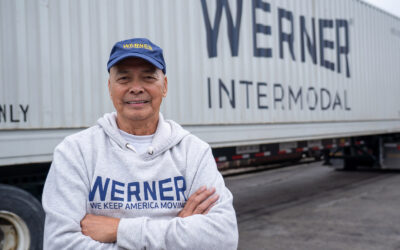
In an era when digital transactions dominate commerce, the driver is often the only physical touchpoint between a brand and its customer. Dedicated drivers are not simply hauling cargo. They are trained on company specific operating procedures. This allows them to navigate complex delivery sites and handle specialized equipment with professionalism that a revolving door of spot market drivers cannot replicate.
Werner’s Dedicated model prioritizes driver longevity. Through the FirstFleet acquisition, we added a driver pool with deep experience in the grocery vertical. When a driver knows your specific requirements including where to park and how to handle paperwork, errors decrease and service continuity improves.
Predictive Maintenance and Risk Mitigation
Safety has evolved from a legal checkbox to a profit protection strategy. By deploying IoT sensor networks and AI powered telematics, dedicated fleets can forecast mechanical failures before they occur. This transition to condition based maintenance eliminates the 11th hour breakdowns that create supply chain ripples.
Werner backs this reliability with the EDGE® technology platform which now powers nearly 90% of Dedicated trips. The platform provides the digital transparency required for compliance and creates a safe harbor of capacity that is tech forward and dependable.
The Bottom Line for 2026
Dedicated capacity has become the new currency for reliability in a market defined by scarcity and volatility. For grocers, the choice is increasingly clear. You can partner with a dependable fleet or accept the operational and financial risks of competing for diminishing spot capacity.
Don’t let your growth strategy be sidelined by a lack of trucks. Secure your capacity, protect your brand and stay ahead of the curve.